Understanding the Role of Modern Technology in Dental Offices
Table Of Contents
3D Printing in Dentistry
The integration of 3D printing technology has transformed various aspects of dentistry. This innovative process allows dental professionals to create precise models and custom prosthetics tailored to each patient’s needs. Traditional methods often require extensive manual labour and time, resulting in longer wait times for patients. With 3D printing, the production of crowns, bridges, and dentures becomes significantly faster while maintaining a high level of accuracy.
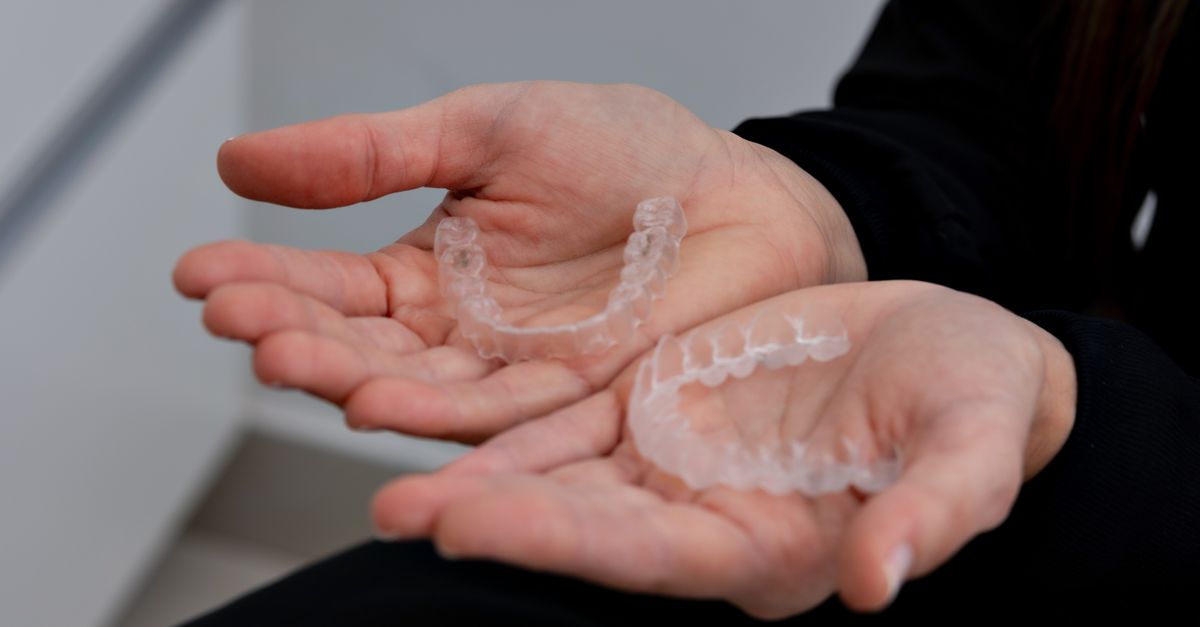
Moreover, orthodontic practices benefit immensely from this technology, utilising it to design and produce aligners and retainers that fit comfortably. Digital scans can be converted into detailed 3D models for a more personalised treatment approach. As a result, patients experience improved outcomes alongside enhanced comfort. The efficiency of 3D printing not only streamlines workflows but also elevates the overall quality of care delivered in dental offices.
Custom Prosthetics and Orthodontic Models
The application of 3D printing in dentistry has revolutionised the way custom prosthetics and orthodontic models are created. Traditional methods often involved lengthy processes with a significant amount of manual adjustments. With 3D printing, dental professionals can produce precise models tailored to each patient's unique anatomical requirements. This not only enhances the fit and comfort of prosthetics but also reduces the time spent on adjustments during fitting appointments.
Additionally, the use of digital imaging technology facilitates the design process. Dentists can obtain accurate scans of a patient's mouth and use specialised software to create 3D models. These models serve as the foundation for crafting crowns, bridges, and aligners. The ability to rapidly prototype these devices leads to more efficient treatment plans and improved patient satisfaction as a result of quicker delivery times.
Laser Dentistry
Advancements in laser technology have revolutionised the field of dentistry by offering precise treatment options for a variety of oral health issues. Lasers can effectively target soft and hard tissues, facilitating procedures such as tooth decay removal, gum reshaping, and even teeth whitening. The accuracy of lasers allows dental professionals to minimise damage to surrounding tissues, resulting in quicker healing and improved overall outcomes for patients.
The use of lasers in dental practices also contributes to reduced pain during procedures. Many patients report experiencing less discomfort compared to traditional methods, often needing less anaesthesia. This pain reduction can lead to a more pleasant overall dental experience, encouraging patients to seek necessary treatments without the fear of significant pain or prolonged recovery times. As a result, laser technology not only enhances treatment efficiency but also improves patient satisfaction within dental settings.
Minimising Pain and Recovery Time
Advancements in dental technology have significantly transformed patient experiences, particularly in the realms of pain management and recovery. Laser dentistry, for example, utilises focused light beams to perform a range of procedures with precision. This technique often results in less trauma to surrounding tissues, facilitating quicker healing processes. Patients frequently report experiencing reduced discomfort during treatments compared to traditional methods.
Another notable development is the implementation of digital anaesthesia systems, which offer more targeted pain relief options. Such systems minimise the need for multiple anaesthetic injections, leading to a simpler and less stressful experience for patients. Additionally, these innovations may promote faster post-operative recovery, allowing individuals to resume their daily activities sooner. Embracing these technologies provides a more comfortable and efficient pathway to dental care.
Patient Communication Tools
Advancements in technology have transformed how dental practices communicate with their patients. Tools such as telehealth platforms and patient portals allow for improved interactions by providing easy access to appointment scheduling, treatment information, and dental records. These systems enable practices to stay connected, even outside regular office hours, facilitating timely communication and enhancing overall patient experience.
Additionally, text message reminders and email notifications have become standard, reducing no-show rates and improving compliance with treatment plans. With integrated software solutions, dental offices can streamline communication, ensuring that patients receive the information they need in a convenient manner. Such innovations not only foster better relationships between practitioners and patients but also contribute to a more organised and efficient practice environment.
Engaging Patients Through Technology
The integration of technology in dental practices plays a crucial role in enhancing patient engagement and communication. Many dental offices now utilise applications that allow patients to book appointments, access medical history, and receive reminders directly on their smartphones. This level of convenience fosters a more responsive relationship between patients and their dental providers. Through these digital platforms, patients can also educate themselves about procedures, further empowering them in their dental care journey.
Social media and websites have become vital tools for dental practices, offering a way to showcase expertise and engage with the community. Practices often share informative articles, videos, and testimonials that help demystify dental procedures. Such initiatives not only build trust but also encourage ongoing dialogue between the practice and its patients. By actively participating in these platforms, dental offices cultivate an environment where patients feel informed and valued.
FAQS
How is 3D printing used in modern dental practices?
3D printing is employed in dental practices to create custom prosthetics and orthodontic models, allowing for precise fittings and improved patient outcomes.
What are the benefits of laser dentistry?
Laser dentistry helps to minimise pain and recovery time for patients, as it often results in less tissue damage compared to traditional dental procedures.
How do patient communication tools enhance the dental experience?
Patient communication tools engage patients through technology, allowing for easier appointment scheduling, reminders, and access to treatment information, which can lead to better patient satisfaction.
Are custom prosthetics made with 3D printing more accurate than traditional methods?
Yes, custom prosthetics made with 3D printing are often more accurate as they are tailored to the individual’s specific dental structure, leading to improved comfort and functionality.
What advancements in technology can patients expect to see in dental offices in the future?
Patients can expect to see continued advancements such as improved diagnostic tools, enhanced treatment options using robotics, and even more sophisticated patient engagement technologies.
Related Links
Evaluating the Availability of Entertainment Options for PatientsThe Impact of Cleanliness and Hygiene Standards in Dentistry
The Significance of Flexible Appointment Scheduling at Dentists
Investigating the Convenience of On-Site Parking at Dental Practices
How Friendly Staff Influence Your Dental Experience
Navigating Accessibility Options in Dental Facilities
Evaluating the Ambiance of Your Family Dentist's Office
Assessing Child-Friendly Features in Family Dental Clinics
The Importance of Comfortable Waiting Areas in Dental Practices