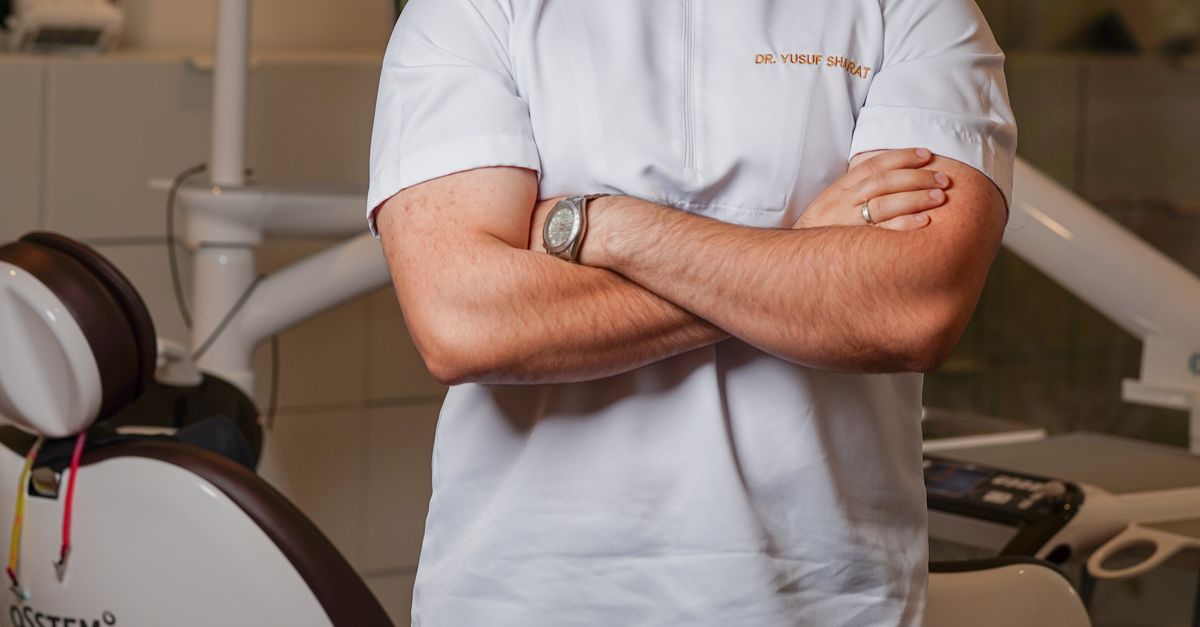
The Impact of Cleanliness and Hygiene Standards in Dentistry
Table Of Contents
The Impact of Poor Hygiene on Oral Health
Neglecting hygiene practices in dental settings can lead to a multitude of oral health issues. Bacteria thrive in unclean environments, resulting in increased incidence of infections. Poor sterilisation methods can expose patients to cross-contamination, heightening the risk of gum disease and tooth decay. Regular cleaning and disinfection of instruments are crucial to prevent the transmission of pathogens that can persist on surfaces.
Inadequate hygiene not only affects patients but also poses serious risks for dental professionals. Those exposed to an unsanitary workspace may unknowingly contract infections, which can lead to both health complications and increased absenteeism from work. Maintaining high cleanliness standards is essential for protecting both patient and practitioner health, ensuring that everyone leaves the dental clinic with confidence in the care they received.
Consequences for Patients and Dental Professionals
Poor hygiene practices in dental settings create significant risks for both patients and professionals. Patients may face increased risk of infections, complications, and prolonged recovery times due to substandard sterilisation and disinfection procedures. For instance, untreated dental tools can expose patients to contagious diseases, leading to serious health issues beyond mere oral complications.
Dental professionals also carry the burden of these hygiene lapses. Inadequate cleanliness can result in legal repercussions and damage to a dentist’s reputation. Additionally, the emotional toll of witnessing preventable patient harm can affect practitioners’ well-being and job satisfaction. Maintaining high standards of hygiene serves to protect everyone involved in the dental care process while fostering trust and confidence in treatment.
Training Staff on Hygiene Best Practices
Effective training programs focused on hygiene best practices are vital for ensuring consistent adherence to cleanliness standards in dental settings. Such training should cover a wide range of topics, including proper sterilisation techniques, use of personal protective equipment, and effective sanitisation of tools and workspace. By equipping staff with comprehensive knowledge and hands-on experience, clinics can minimise the risk of infection and enhance overall patient safety. Regularly updating training materials is equally important, as it ensures that team members stay informed about new protocols and methodologies.
Incorporating practical, real-life scenarios into training can reinforce understanding and compliance among staff. Role-playing situations involving patient interactions or emergencies can highlight the importance of hygiene and its impact on both patient outcomes and team efficacy. Furthermore, ongoing evaluations and refresher courses can help maintain a high standard of hygiene practices, fostering a culture of cleanliness within the dental practice. This commitment not only protects patients and staff but also builds trust and confidence in the services provided.
Essential Skills for Dental Team Members
A strong foundation in hygiene practices is crucial for all members of a dental team. Each staff member should possess an understanding of infection control protocols. This includes differentiating between sterilisation methods and knowing when to use personal protective equipment. The ability to maintain a clean and organised workspace directly impacts overall practice efficiency and patient safety.
Communication skills also play a vital role in the dental environment. Team members must be able to effectively discuss hygiene standards and procedures with colleagues and patients. Educating patients about oral hygiene habits promotes a collaborative approach to dental health. By fostering a culture of cleanliness and open dialogue, dental professionals can enhance their overall service quality and ensure patient confidence in their care.
The Relationship Between Cleanliness and Patient Satisfaction
Patients often judge dental practices based on their cleanliness. A tidy, well-maintained environment instils confidence, showing that the dental team values hygiene. When dental instruments and treatment areas are visibly clean, patients are more likely to feel safe and at ease. This perception significantly influences their overall experience, making them likelier to return for future visits and to recommend the practice to others.
Moreover, cleanliness extends beyond just physical appearance. It also reflects the professionalism of the dental team. High standards of hygiene can lead to better patient interactions, as clients experience a sense of care and respect for their well-being. When patients associate their dental visits with a clean environment, they develop positive feelings towards the practice, enhancing loyalty and fostering long-term relationships.
Enhancing the Patient Experience through Hygiene
A clean and hygienic environment plays a significant role in shaping patients' perceptions of dental practices. When patients walk into a pristine clinic, their confidence and comfort levels increase, contributing to a more positive experience overall. Well-maintained dental tools and equipment further reinforce that the clinic prioritises safety and quality of care. This attention to cleanliness can alleviate the anxiety often associated with dental visits, allowing patients to engage more openly with their dental health.
Furthermore, educating patients about the hygiene standards upheld in a practice can enhance their trust. Clear communication regarding the protocols for cleanliness not only informs patients but also establishes a strong foundation for the patient-dentist relationship. By demonstrating a commitment to high hygiene standards, dental professionals ensure that patients leave feeling satisfied and valued, leading to increased loyalty and repeat visits.
FAQS
Why is cleanliness important in dentistry?
Cleanliness is crucial in dentistry as it helps prevent the spread of infections, protects patients' oral health, and ensures that dental procedures are performed in a safe and hygienic environment.
What are the consequences of poor hygiene in dental practices?
Poor hygiene can lead to various health issues, including infections, increased risk of cross-contamination, and adverse outcomes for both patients and dental professionals.
How can dental staff be trained on hygiene best practices?
Dental staff can be trained through regular workshops, seminars, and hands-on demonstrations that focus on proper sanitation methods, infection control protocols, and the importance of maintaining a clean environment.
What essential skills should dental team members have regarding hygiene?
Essential skills include knowledge of infection control procedures, proper use of sterilisation equipment, effective hand hygiene techniques, and an understanding of the importance of maintaining a clean workspace.
How does cleanliness impact patient satisfaction in dental practices?
Cleanliness significantly enhances patient satisfaction as it fosters a sense of safety and trust. Patients are more likely to feel comfortable and valued in a clean environment, which can lead to positive experiences and improved overall satisfaction.
Related Links
Understanding the Role of Modern Technology in Dental OfficesHow Friendly Staff Influence Your Dental Experience
The Significance of Flexible Appointment Scheduling at Dentists
Investigating the Convenience of On-Site Parking at Dental Practices
Evaluating the Availability of Entertainment Options for Patients
Navigating Accessibility Options in Dental Facilities
Evaluating the Ambiance of Your Family Dentist's Office