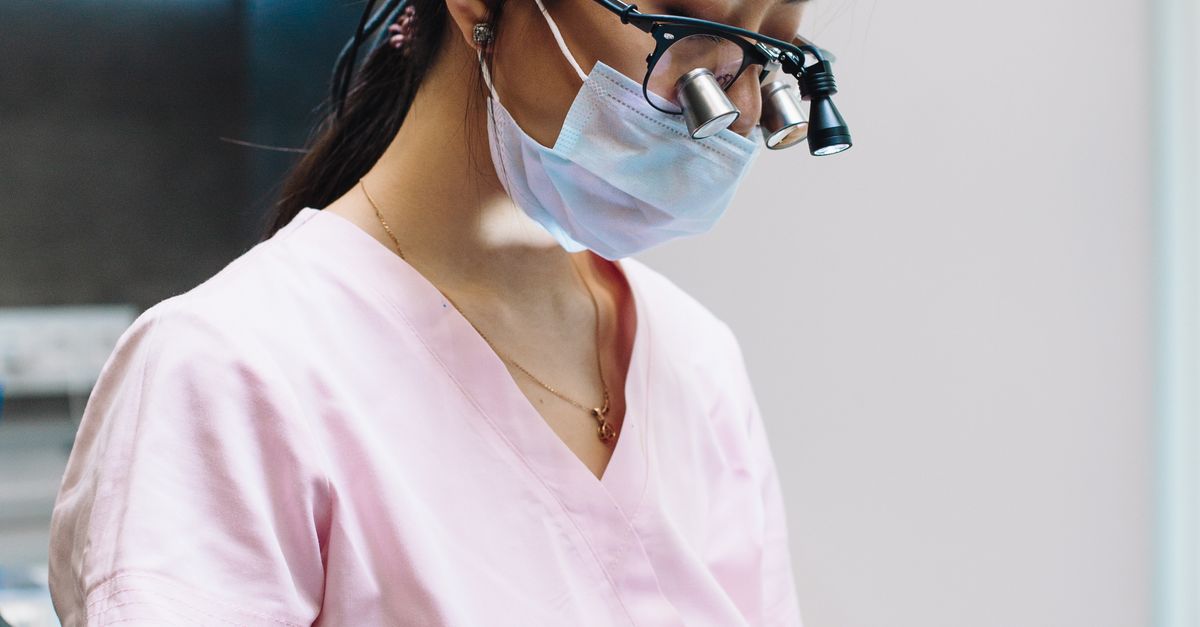
The Significance of Flexible Appointment Scheduling at Dentists
Table Of Contents
Improving Practice Efficiency
Flexible appointment scheduling plays a crucial role in enhancing the efficiency of dental practices. By allowing patients to book appointments that fit their schedules, dental offices can better manage patient flow and reduce downtime between appointments. This system not only maximises the utilisation of available chair time but also decreases the likelihood of overlapping schedules, which can lead to longer wait times and patient dissatisfaction.
Employing a structured yet adaptable appointment system can significantly streamline daily operations. Staff can allocate resources more effectively, ensuring that both dentists and hygienists are engaged during peak hours. Such efficiency minimises the chances of last-minute cancellations impacting the day's schedule, and it ultimately contributes to a more harmonious work environment, benefiting both the team and the patients they serve.
Streamlining Staff Workloads
Flexible appointment scheduling can significantly ease the burden on dental staff by allowing them to adapt to varying patient demands. With a more dynamic timetable, staff can better manage their time, reducing periods of inactivity while also accommodating sudden changes such as cancellations or emergency appointments. This adaptability helps to distribute workloads more evenly throughout the day, preventing overwhelming rushes during peak times and lulls during quieter periods.
Additionally, a streamlined scheduling system often incorporates digital tools that can automate reminders and confirmations. This not only saves valuable time for staff but also decreases the likelihood of no-shows and last-minute cancellations. By ensuring a more predictable flow of patients, dental practices can enhance operational efficiency, allowing staff to focus more on quality patient care rather than administrative challenges.
Building Patient Loyalty
Patients are more likely to return to a practice when they recognise the effort made to accommodate their schedules. Flexible appointment scheduling demonstrates a commitment to patient needs. Dentists can create a welcoming environment where convenience is prioritised. This approach fosters a deeper connection between patients and their dental providers.
Establishing a sense of loyalty often involves more than just good dental care. It includes the ability to access services when they are needed most. Patients appreciate the option to book appointments outside regular business hours or to reschedule with minimal hassle. This attention to individual circumstances helps cement a long-lasting relationship based on trust and respect.
The Role of Convenience in Retention
Convenience plays a crucial role in how patients perceive their dental experience. When appointment scheduling aligns with their busy lives, patients are more likely to follow through with regular visits. Flexible options, such as extended hours or online booking, remove barriers that can prevent individuals from seeking dental care. This adaptability caters to various lifestyles and commitments, reinforcing the idea that dental health should be an easy and accessible priority.
Additionally, a practice that prioritises convenience can foster a stronger sense of loyalty among patients. When individuals feel that their time is respected through flexible scheduling, they are more inclined to develop trust and rapport with their dental care provider. Satisfied patients often share their positive experiences with friends and family, creating a ripple effect that enhances the practice’s reputation. As a result, this focus on convenience not only improves retention rates but also helps build a community of loyal patrons.
Competitive Advantage for Dental Practices
Offering flexible appointment scheduling can set dental practices apart in a competitive market. Patients increasingly prioritise convenience when selecting healthcare providers. A practice that accommodates varying schedules demonstrates a commitment to understanding and meeting patient needs. This flexibility can lead to increased referrals as satisfied patients share their positive experiences with others.
Moreover, dentists who adopt a flexible approach not only attract new patients but also enhance their overall reputation within the community. Practices that respond to the demands of busy lifestyles often become trusted healthcare partners. By positioning themselves as adaptable and responsive, these dental offices can foster a loyal patient base that values convenience alongside quality care.
Attracting New Patients Through Flexibility
Flexible appointment scheduling plays a crucial role in attracting new patients to dental practices. Many individuals today lead busy lives with commitments that make traditional appointment times challenging to manage. By offering a range of options, including early morning and late evening slots, practices can accommodate patients' varying schedules. This responsiveness demonstrates an understanding of patients' needs, fostering a positive first impression and encouraging potential clients to choose a particular practice.
Moreover, promoting online booking systems further enhances accessibility. Patients increasingly expect the ability to book appointments at their convenience, and providing this option can be a deciding factor for many. Additionally, practices that utilise reminders and easy rescheduling can significantly reduce no-show rates. These strategies not only simplify the patient experience but also enhance the practice's overall reputation, making it more likely to be recommended through word-of-mouth.
FAQS
What is flexible appointment scheduling in dental practices?
Flexible appointment scheduling refers to the ability of dental practices to offer varied appointment times, accommodating patients' needs by providing options outside traditional office hours, including evenings and weekends.
How does flexible scheduling improve practice efficiency?
Flexible scheduling can lead to better time management and reduce patient wait times, allowing dental practices to serve more patients efficiently while optimising the use of their resources.
Can flexible appointment scheduling help in building patient loyalty?
Yes, by providing convenience and accommodating patients' schedules, flexible appointment options can enhance the overall patient experience, fostering loyalty and encouraging repeat visits.
What role does convenience play in patient retention?
Convenience is a significant factor in patient retention; when patients can easily secure appointments that fit their busy lifestyles, they are more likely to remain loyal to the practice.
How can flexible scheduling provide a competitive advantage for dental practices?
By offering flexible appointment options, dental practices can differentiate themselves in a competitive market, attracting new patients who value convenience and accessibility in their healthcare services.
Related Links
Investigating the Convenience of On-Site Parking at Dental PracticesThe Importance of Comfortable Waiting Areas in Dental Practices
Evaluating the Availability of Entertainment Options for Patients
Understanding the Role of Modern Technology in Dental Offices
The Impact of Cleanliness and Hygiene Standards in Dentistry
How Friendly Staff Influence Your Dental Experience
Navigating Accessibility Options in Dental Facilities
Evaluating the Ambiance of Your Family Dentist's Office
Assessing Child-Friendly Features in Family Dental Clinics