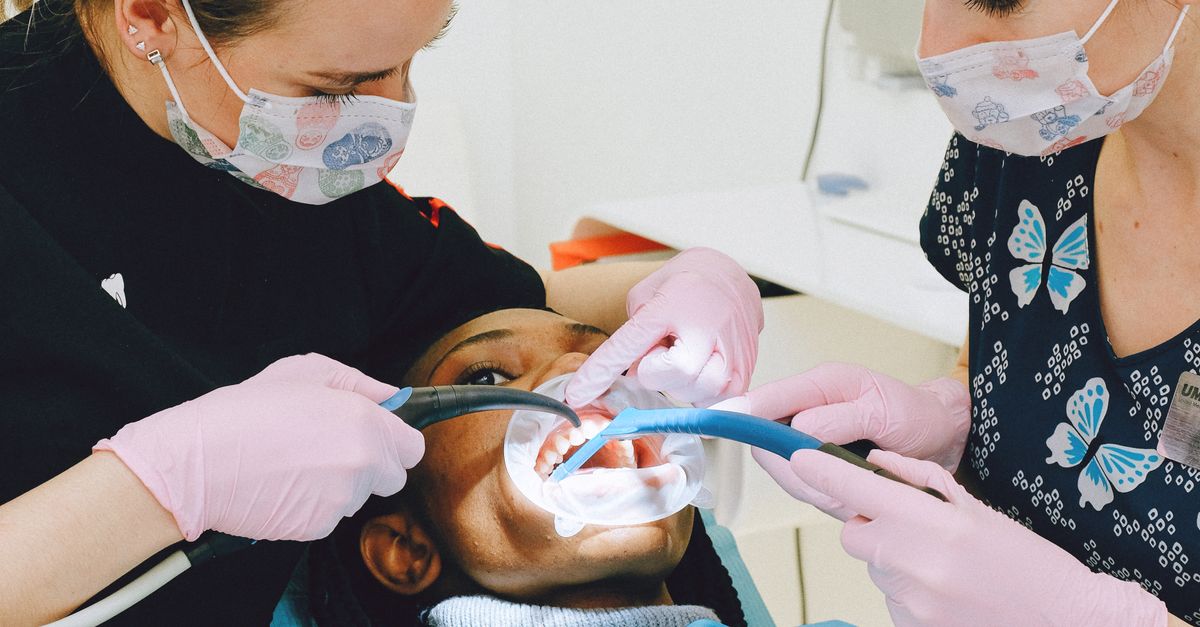
Importance of Regular Dental Check-ups for Families
Table Of Contents
Oral Health and Overall Well-being
Maintaining good oral health is crucial for overall well-being. Healthy teeth and gums not only allow individuals to eat and speak comfortably but also significantly impact self-esteem. Neglecting oral health can lead to various issues, including dental decay, gum disease, and even infections. These problems can create discomfort and have far-reaching effects on daily life, making it essential to prioritise regular dental assessments.
The mouth serves as a gateway to the body, with oral health influencing various health outcomes. Research indicates strong correlations between poor dental hygiene and several systemic conditions such as diabetes and cardiovascular disease. Addressing oral health concerns promptly can help prevent these associated diseases, making a proactive approach to dental care vital for families. Regular check-ups enable early detection and intervention, bolstering both dental and overall health in a significant way.
The Link Between Dental and Physical Health
Oral health extends beyond the mouth, influencing various aspects of physical well-being. Conditions such as gum disease have been linked to systemic issues, including cardiovascular diseases and diabetes. Bacteria from periodontal infections can enter the bloodstream, leading to inflammation and contributing to heart-related complications. Maintaining good oral hygiene is essential not only for preventing dental problems but also for promoting overall health.
The mouth serves as a gateway to the body, meaning that neglecting dental care can have repercussions that affect more than just teeth and gums. Issues such as tooth decay and gum disease might lead to discomfort, impacting daily activities and nutritional choices. Regular dental check-ups facilitate early detection of oral health problems, enabling timely interventions that can mitigate the risk of developing related health issues. This preventive approach is crucial for families, as it fosters a culture of health that spans generations.
The Importance of Family Dental History
Understanding the dental health of family members provides valuable insight into potential risks. Conditions such as tooth decay, gum disease, and oral cancers can have genetic components. By examining these patterns, families can identify predispositions to certain oral health issues. This information aids dental professionals in tailoring preventive measures or treatment plans for individuals.
Establishing a comprehensive family dental history fosters proactive health management. Documenting previous dental experiences, treatments, and known health issues assists in recognising trends. Regular communication about dental health within families encourages awareness and promotes timely check-ups. Accessing this information during dental appointments ensures a holistic approach to each member's care.
Recognising Genetic Factors
Genetic predispositions can play a significant role in a person's oral health. Certain dental conditions, such as gum disease or tooth decay, can run in families, influenced by hereditary factors. For instance, individuals with a family history of cavities may find that they are more susceptible to similar issues. Understanding these inherited traits can help families take proactive measures to combat potential dental problems before they escalate.
Regular dental check-ups allow for the identification of hereditary conditions that might affect oral health. Dentists can assess risk factors linked to genetics and provide targeted advice on preventive care. This information can empower families to establish healthier habits and monitor their oral health more effectively. Awareness of these genetic links fosters a more informed approach to dental care, ultimately helping to maintain strong and healthy smiles across generations.
Timing and Frequency of Appointments
Regular dental appointments play a crucial role in maintaining optimal oral health for all family members. Children typically require their first check-up by the age of one, allowing professionals to assess dental development and provide guidance on proper care. For most individuals, visiting the dentist every six to twelve months is advisable. This routine ensures that any potential issues, such as cavities or gum disease, are caught early and treated promptly, reducing the risk of more serious complications down the line.
As family members age, their dental needs may change, necessitating adjustments to the frequency of check-ups. Adults should continue with biannual appointments, but those with specific concerns, such as periodontal disease or a history of oral health issues, may need to visit more often. Older adults should also be vigilant, as they might face increased risks of dental problems due to medications or other health conditions. Establishing a consistent schedule encourages not only individual accountability but also fosters a family culture of prioritising dental health.
Recommended Check-up Schedule for Different Ages
Regular dental check-ups are crucial at various stages in life. For infants, the first visit is typically recommended within six months of the first tooth emerging or by their first birthday. Once children start school, a check-up once a year is advisable to monitor their dental development and address any concerns early.
As children grow into their teenage years, the frequency of visits can remain annual, especially as orthodontic needs may arise. For adults, the Australian Dental Association recommends visiting the dentist at least once every 12 months. Those with specific dental issues or a history of gum disease should consider more frequent visits, ensuring their oral health is consistently monitored.
FAQS
How often should my family have dental check-ups?
It is generally recommended that families have dental check-ups every six to twelve months, depending on individual needs and risk factors.
At what age should children start visiting the dentist?
Children should have their first dental visit by their first birthday or when their first tooth emerges, whichever comes first.
Can oral health really affect overall physical health?
Yes, poor oral health can lead to various physical health issues, including heart disease, diabetes, and respiratory problems, highlighting the importance of maintaining good dental hygiene.
How does family dental history impact individual dental health?
Family dental history can reveal genetic predispositions to certain oral health issues, making it essential to share this information with your dentist for tailored care.
What should I expect during a dental check-up?
During a dental check-up, the dentist will perform a thorough examination of your teeth and gums, take X-rays if necessary, and provide cleaning and advice on oral hygiene practices.
Related Links
What to Expect During Your Family's General Dental Check-upWhat Questions to Ask Your Dentist During a Check-up
Tips for Managing Dental Anxiety in Children During Check-ups
The Role of X-rays in Comprehensive Dental Check-ups
Understanding the Examination Process in General Dental Check-ups
Frequency of Dental Check-ups for Different Age Groups
Common Issues Identified During General Dental Check-ups
How to Prepare Your Child for Their First Dental Check-up