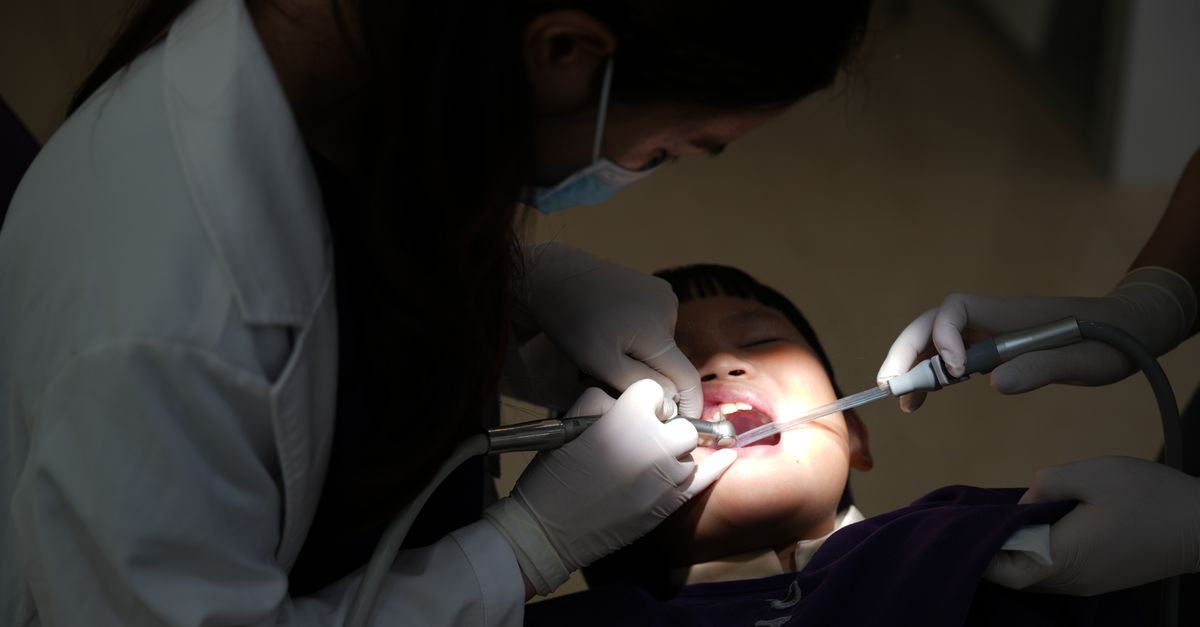
Tips for Managing Dental Anxiety in Children During Check-ups
Table Of Contents
Using Distraction Techniques During Visits
Distraction techniques can help ease anxiety during dental visits. Bringing along a favourite toy or book can provide comfort and serve as a familiar source of entertainment. Many dental practices also offer visual distractions, such as cartoons or engaging videos, to keep young patients occupied while they wait. These distractions can redirect their focus away from the dental procedures and create a more relaxed atmosphere.
Using interactive games or puzzles can further enhance the experience. Many dentists have tablets with educational or fun games to engage children during their appointments. Parents can participate in these activities to promote a sense of teamwork and support. Encouraging children to listen to music or play calming sounds through headphones can also create a soothing environment, helping them remain calm and relaxed throughout the visit.
Engaging in Fun Activities
Finding enjoyable activities to engage children during dental visits can significantly ease their anxiety. Bringing along a favourite toy or a book can provide comfort and distraction. Many dental clinics have toys or games available, making the environment feel more welcoming and less intimidating. Incorporating colourful visuals, such as stickers or artwork, can also encourage children to express themselves creatively while waiting for their appointment.
Some practices organise activities like drawing or puzzles, allowing children to immerse themselves in something fun while they wait. Interactive video games or tablets equipped with educational games can make the experience enjoyable. Parents can also prepare for visits by discussing fun plans for after the appointment, providing something for the child to look forward to, turning dental visits into a part of a more positive experience.
Positive Reinforcement After Appointments
Establishing a system of rewards can significantly benefit children who experience anxiety during dental visits. After each appointment, acknowledging their bravery with simple rewards can create a positive association with dental care. This could be as basic as a sticker chart where they earn stars for each visit. Once they reach a predetermined number of stars, they can choose a small toy or a fun outing. Building this sense of achievement encourages them to view future visits with less apprehension.
Encouraging open discussions about the experience post-appointment allows children to express their feelings. Praise for their courage in handling the visit is essential, reinforcing their emotional resilience. Sharing positive stories about dental experiences can further enhance their enthusiasm for maintaining oral health. Creating a supportive atmosphere encourages kids to feel motivated and confident in attending future dental check-ups.
Celebrating Bravery with Rewards
Recognising and celebrating a child's bravery after a dental visit can significantly enhance their confidence and willingness to return for future appointments. Simple rewards can serve as a powerful motivator. Parents can create a reward system where children receive small prizes, stickers or even extra playtime for showing courage during their check-up. This positive reinforcement helps children associate dental visits with pleasant experiences rather than fear.
Involving the child in the selection of rewards can further enhance their excitement and encourage them to manage their anxiety. Families might consider planning a special outing or engaging in an enjoyable activity that the child looks forward to. By making a habit of acknowledging and celebrating their bravery, parents will help their children build resilience and foster a more positive attitude towards dental care as they grow.
Seeking Professional Help When Needed
For some children, anxiety surrounding dental visits may be significant enough to warrant additional support. This can manifest in extreme fear responses, making it challenging for parents and caregivers to manage the situation effectively. Consulting with a child psychologist can offer strategies tailored specifically to the child's needs, helping to address the root causes of their anxiety. Experts can introduce therapeutic techniques such as cognitive behavioural therapy which may provide children with the tools to navigate their fears.
In certain cases, a dentist experienced in treating anxious patients might collaborate with mental health professionals to create a comprehensive approach. This partnership can ensure a comfortable environment for the child, employing methods like gradual exposure to dental stimuli or relaxation techniques. Engaging with professionals allows families to develop a customised plan that promotes positive associations with dental care and fosters a sense of security for children during their appointments.
When to Consider Consultation with a Child Psychologist
Recognising the signs of severe dental anxiety in a child is essential for ensuring they receive the dental care they need. If a child's fear manifests as extreme distress or avoidance behaviour, it may be time to seek the help of a child psychologist. These professionals have the expertise to address underlying fears and help children develop coping mechanisms tailored to their experiences. This support can be particularly beneficial if dental visits frequently result in significant distress.
In some cases, anxiety about dental procedures might stem from broader issues related to health care, making a psychologist's insight valuable. Through play therapy or cognitive behavioural therapy, children can learn to manage their fears in a safe environment. This approach not only targets dental-related anxiety but also equips them with skills to tackle various anxiety-inducing situations in the future. Engaging a child psychologist may ultimately pave the way for a more positive experience at the dentist.
FAQS
What are some effective distraction techniques to use during dental visits for children?
Effective distraction techniques include providing headphones for listening to music, allowing the child to play with a toy or fidget spinner, or engaging them in a conversation about their favourite topics to keep their mind off the dental procedure.
How can fun activities help reduce dental anxiety in children?
Fun activities, such as colouring books or interactive games, can create a more relaxed environment and shift the child's focus away from the dental work, making the experience more enjoyable and less intimidating.
What is positive reinforcement, and how can it be applied after dental appointments?
Positive reinforcement involves praising children for their bravery and cooperation during the appointment. This can be done through verbal praise, stickers, or small rewards, reinforcing their positive behaviour and reducing anxiety for future visits.
What are some appropriate rewards to celebrate a child's bravery after a dental check-up?
Appropriate rewards can include a small treat, a special outing, or a new toy. The reward should be something the child values, helping them associate dental visits with positive experiences.
When should parents consider seeking professional help for their child's dental anxiety?
Parents should consider consulting a child psychologist if their child's anxiety is severe, persists despite distraction techniques, or leads to avoidance of dental appointments altogether. Professional guidance can provide tailored strategies to help manage their fears effectively.
Related Links
What Questions to Ask Your Dentist During a Check-upThe Role of X-rays in Comprehensive Dental Check-ups
Understanding the Examination Process in General Dental Check-ups
Frequency of Dental Check-ups for Different Age Groups
Common Issues Identified During General Dental Check-ups
How to Prepare Your Child for Their First Dental Check-up
Signs Your Family Needs a Dental Check-up