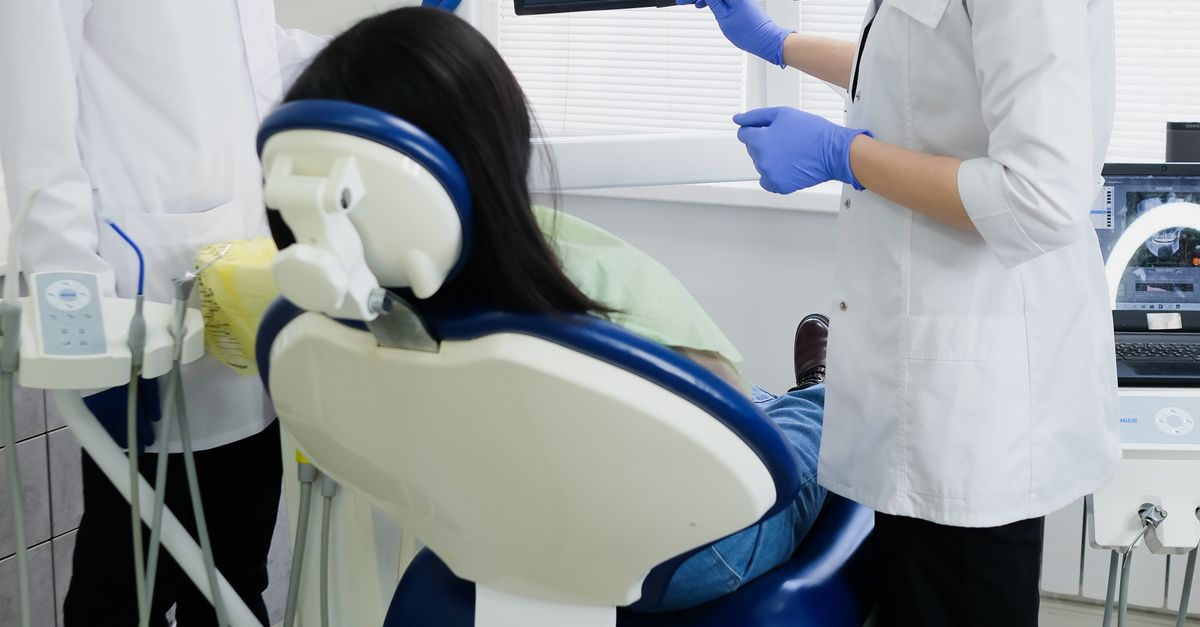
Comprehensive Dental Strategies for Families in Broadmeadows
Table Of Contents
Orthodontics for All Ages
Orthodontics has evolved to cater to a diverse range of age groups. Many people associate braces with teenagers, yet younger children and adults can also benefit from orthodontic treatment. Early intervention can address issues such as overcrowding or bite misalignment, potentially reducing the need for more extensive treatment later on. Age is no longer a barrier to achieving a straightened smile, as advancements in orthodontic technology now provide options tailored to individual needs.
The types of braces available today are varied and can accommodate different lifestyles. Traditional metal braces remain popular, but alternatives like ceramic braces and clear aligners have gained traction for their aesthetic appeal. Each option varies in terms of comfort and visibility, making it essential for families to explore all available treatments. A consultation with an orthodontist will help determine the best approach based on specific dental issues and personal preferences.
When to Consider Braces
Misalignment of teeth can lead to various dental issues, making it essential to address these concerns early. In general, the right time to evaluate the need for braces is when permanent teeth begin to emerge around the age of seven. Early assessments allow orthodontists to identify problems such as overcrowding, gaps, or bite misalignments. Taking proactive measures can create a more conducive environment for healthy dental development as children grow.
For some, braces might be a suitable option during adolescence when growth spurts make it easier for teeth to shift into the desired position. However, each individual’s situation varies, and adults can also benefit from orthodontic treatment. Factors such as the severity of misalignment, specific treatment goals, and personal preferences will influence the decision to pursue braces. Consulting with a qualified orthodontist can provide clarity and ensure the best path forward for each family member.
The Role of Dental Check-Ups
Regular dental check-ups ensure that oral health is maintained across all family members. These appointments allow for early detection of potential issues such as cavities, gum disease, and misaligned teeth. Dentists can provide personalised care by assessing individual needs and recommending tailored treatment plans. This proactive approach not only helps in maintaining good oral hygiene but also reinforces the importance of dental health to children from an early age.
Families should establish a routine for dental visits. While the general recommendation is to schedule check-ups every six months, specific needs may vary based on individual dental health. For instance, those with a history of dental issues might require more frequent visits. Establishing a consistent schedule builds healthy habits and fosters a comfortable relationship with dental professionals, making visits less daunting for younger family members.
How Often Should Your Family Visit?
Regular dental check-ups play a crucial role in maintaining oral health for families. Children should ideally have their first dental visit by their first birthday. Following that, it's recommended to continue with check-ups every six to twelve months. This ensures any developing dental issues are identified early, which is particularly important as children's teeth transition from baby teeth to permanent ones.
For adults, maintaining a similar schedule is beneficial. Annual visits are often sufficient, but those with specific dental concerns or conditions may require more frequent appointments. Routine check-ups not only allow for professional cleanings but also provide an opportunity for dentists to monitor any changes in oral health over time. Establishing a consistent dental care routine helps in preventing more serious issues down the line.
Managing Dental Anxiety in Children
Many children experience anxiety when faced with dental appointments. This apprehension can stem from a fear of the unknown or a previous unpleasant experience. It’s crucial for parents to recognise these feelings and address them proactively. One effective approach is to engage in conversations about what to expect during a visit. Using simple, reassuring language can help demystify the process, making it less intimidating for young ones.
Creating a positive association with dental visits plays a significant role in alleviating fears. Options such as visiting the practice beforehand or allowing children to meet the dental team can foster a sense of familiarity. Incorporating fun elements into the experience, like choosing a colourful toothbrush or stickers after check-ups, can also provide motivation. These strategies help in cultivating a more relaxed attitude towards dental care, setting the foundation for a lifetime of good dental hygiene.
Techniques to Help Kids Feel Comfortable
Creating a supportive environment is essential for helping children feel at ease during dental visits. Practising relaxation techniques at home can be beneficial. Breathing exercises or simple visualisation can ease anxiety. Familiarising children with the dental office before the appointment can also reduce apprehension. If possible, arrange for a brief visit to meet the dentist and explore the waiting area. This familiarity reduces the fear of the unknown.
Utilising engaging distractions during appointments can significantly help children feel more comfortable. Activities like watching cartoons, listening to music, or reading a favourite book can shift their focus away from the dental procedures. Training the dental team to communicate in a gentle, friendly manner ensures children understand what to expect without overwhelming them. Encouraging children to ask questions and express any concerns fosters a sense of control, contributing to a more positive experience.
FAQS
What are the signs that my child may need braces?
Common signs include overcrowded teeth, noticeable gaps, or difficulty biting and chewing. It's best to consult with an orthodontist if you have concerns.
How often should my family schedule dental check-ups?
It's recommended that families visit the dentist every six months for routine check-ups and cleanings, but your dentist may suggest a different frequency based on individual needs.
What can I do to help my child manage dental anxiety?
Techniques such as talking to them about what to expect, role-playing the dental visit, and using relaxation techniques like deep breathing can help ease their anxiety.
At what age should my child have their first orthodontic evaluation?
The American Association of Orthodontists recommends that children have their first evaluation by age 7, as this allows for early detection of potential orthodontic issues.
Are there any specific dental strategies for families with young children?
Yes, establishing a routine of regular brushing and flossing, making dental visits fun, and offering rewards for good dental hygiene can set a strong foundation for lifelong oral health.
Related Links
Bridging the Gap Between Children's and Adult Dental CareFostering Healthy Habits Through Family-Oriented Dental Services
Empowering Families with Knowledge for Better Oral Health Decisions
The Impact of Comprehensive Family Dentistry on Lifelong Oral Health
Tailoring Dental Care to Meet the Needs of Every Family Member
Understanding the Importance of Comprehensive Dental Care in Family Settings
Enhancing Family Well-being Through Comprehensive Dental Care
Multigenerational Benefits of a Family-Centric Dental Approach
The Role of Family Dentists in Maintaining Oral Health for All Ages