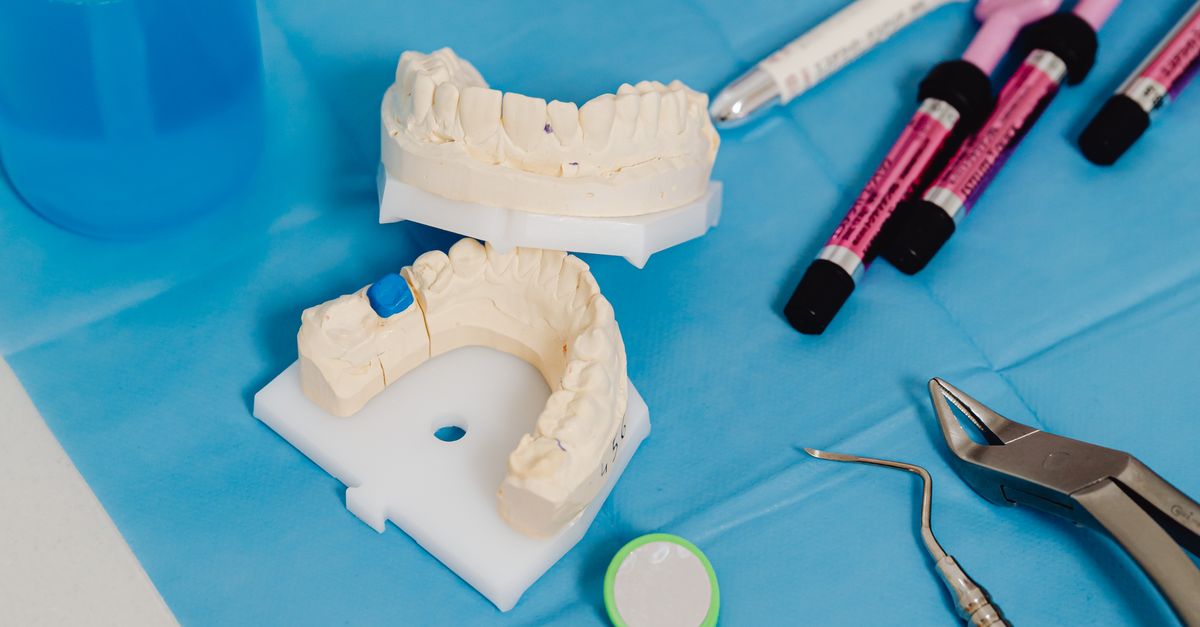
Bridging the Gap Between Children's and Adult Dental Care
Table Of Contents
Dental Visits
A dental visit can evoke a mix of emotions for children. Anticipation and anxiety often accompany the unfamiliar environment, the dental chair, and the equipment. It is essential for parents to communicate the purpose of the visit in a positive light, emphasising how dentists help keep smiles healthy. Introducing stories about friendly dental professionals and highlighting that visiting the dentist can be a bit like an adventure can help reduce nervousness.
During the appointment, children will experience various aspects of dental care, including a thorough examination of their teeth, gums, and overall oral health. The dentist may demonstrate how to use dental tools, educating young patients on what is happening at each step. Gaining insight into the process can foster familiarity, making future visits less intimidating. Building this comfort is crucial in promoting a long-term positive attitude towards dental health and regular check-ups.
Preparing Children for Their First Appointment
Introducing children to dental visits can set a positive foundation for their future experiences. Begin by explaining what will happen during the appointment in simple and reassuring terms. Children should know they will meet friendly dental staff, sit in a special chair, and receive a gentle examination of their teeth. Encouragement is key. If they have siblings or friends who have already had positive experiences, sharing those stories can help reduce anxiety.
Involving children in the preparation process can make them feel more in control. Consider taking them on a tour of the dental clinic before their appointment, allowing them to explore the environment and see the equipment in a relaxed setting. Reading books or watching videos about dental visits can also demystify the experience. Emphasising the importance of dental health and how regular check-ups contribute to a beautiful smile can inspire excitement rather than fear.
Educating Children About Oral Hygiene
Instilling good oral hygiene habits in children is essential for their long-term dental health. Teaching them the importance of regular brushing and flossing lays the groundwork for a lifetime of healthy teeth and gums. Using age-appropriate language makes it easier for kids to grasp these concepts. Demonstrating proper techniques can also help them learn effectively.
Incorporating visual aids and interactive tools can enhance the educational experience. Utilising colourful charts or fun apps can capture a child's attention and encourage them to engage with oral care routines. Positive reinforcement plays a crucial role in this process. Celebrating their efforts and progress fosters a sense of accomplishment and motivates them to maintain their hygiene practices.
Fun Techniques to Promote Participation
Engaging children during dental visits can be achieved through a variety of interactive techniques. Incorporating games that emphasise oral hygiene can turn routine practices into enjoyable activities. For example, using a timer for brushing teeth can encourage kids to challenge themselves, transforming the process into a friendly competition. Storytelling and role-playing are also effective tools; presenting the dentist as a superhero can help alleviate fears and make the visit feel like an adventure.
Additionally, reward systems can boost participation and enthusiasm. Creating a sticker chart that tracks good behaviours related to dental care may motivate children to take pride in their oral hygiene routine. Allowing them to choose their own toothbrush or toothpaste with appealing designs can instil a sense of ownership. These strategies not only promote better dental habits but also help children view dental visits in a positive light, paving the way for a lifetime of good oral health.
Dietary Impact on Dental Health
The food and drinks children consume play a crucial role in maintaining their dental health. Sugary snacks and beverages can lead to the development of cavities, as bacteria in the mouth feed on sugar and produce acids that erode tooth enamel. Parents should be mindful of their children’s intake of these foods, encouraging healthier alternatives such as fruits, vegetables, and dairy products which can strengthen teeth and support overall oral health.
Incorporating healthy eating habits early on can significantly reduce the risk of dental issues later in life. Teaching children the importance of balanced meals not only fosters better nutrition but also instills a sense of responsibility towards their oral hygiene. Meals rich in calcium, vitamins, and minerals contribute to the formation of strong teeth and healthy gums, creating a foundation for lifelong dental care habits.
Teaching Healthy Eating Habits
Healthy eating habits play a crucial role in maintaining good dental health for children. Parents can encourage a balanced diet rich in fruits, vegetables, whole grains and lean proteins. Incorporating snacks like crunchy apples or carrots can be beneficial for young mouths while helping to remove plaque. Whole foods provide essential vitamins and minerals that support strong teeth and gums. Limiting sugary snacks and drinks is equally important as they can lead to cavities and other dental issues.
Teaching children about the impacts of their food choices fosters a sense of responsibility regarding their oral hygiene. Involving kids in meal planning and grocery shopping can enhance their understanding of nutritious options. Making meals colourful and fun can increase their interest in healthy foods. Engaging children in discussions about how certain foods affect their teeth can empower them to make better choices. Celebrating small victories in their dietary choices can reinforce these healthy habits, encouraging lifelong practices.
FAQS
What should I expect during my child's first dental visit?
During your child's first dental visit, the dentist will typically conduct a gentle examination of their teeth and gums, discuss their dental history, and may perform a cleaning. It's a great time for parents to ask questions about oral hygiene and what to expect as their child grows.
How can I prepare my child for their first dental appointment?
To prepare your child for their first appointment, talk to them about what will happen in a positive and reassuring way. You can play dental-themed games or read books about going to the dentist to help familiarise them with the experience and reduce any anxiety.
What are some effective ways to educate children about oral hygiene?
Teaching children about oral hygiene can be fun! Use engaging resources like interactive apps, colourful charts, and videos. You can also create a routine together for brushing and flossing, making it a part of their daily activities.
What fun techniques can I use to encourage my child to participate in oral hygiene practices?
To encourage participation, try using a reward system where they earn stickers for brushing regularly or have a "toothbrush dance party" to make brushing more enjoyable. You can also let them choose their own toothbrush and toothpaste flavour to increase their interest.
How does diet affect dental health in children?
Diet plays a vital role in children's dental health. Consuming sugary snacks and drinks can lead to tooth decay, while a balanced diet rich in fruits, vegetables, and dairy products can strengthen teeth and promote overall oral health. Teaching children healthy eating habits is essential for maintaining their smile.
Related Links
Empowering Families with Knowledge for Better Oral Health DecisionsComprehensive Dental Strategies for Families in Broadmeadows
Fostering Healthy Habits Through Family-Oriented Dental Services
The Impact of Comprehensive Family Dentistry on Lifelong Oral Health
Tailoring Dental Care to Meet the Needs of Every Family Member
Understanding the Importance of Comprehensive Dental Care in Family Settings