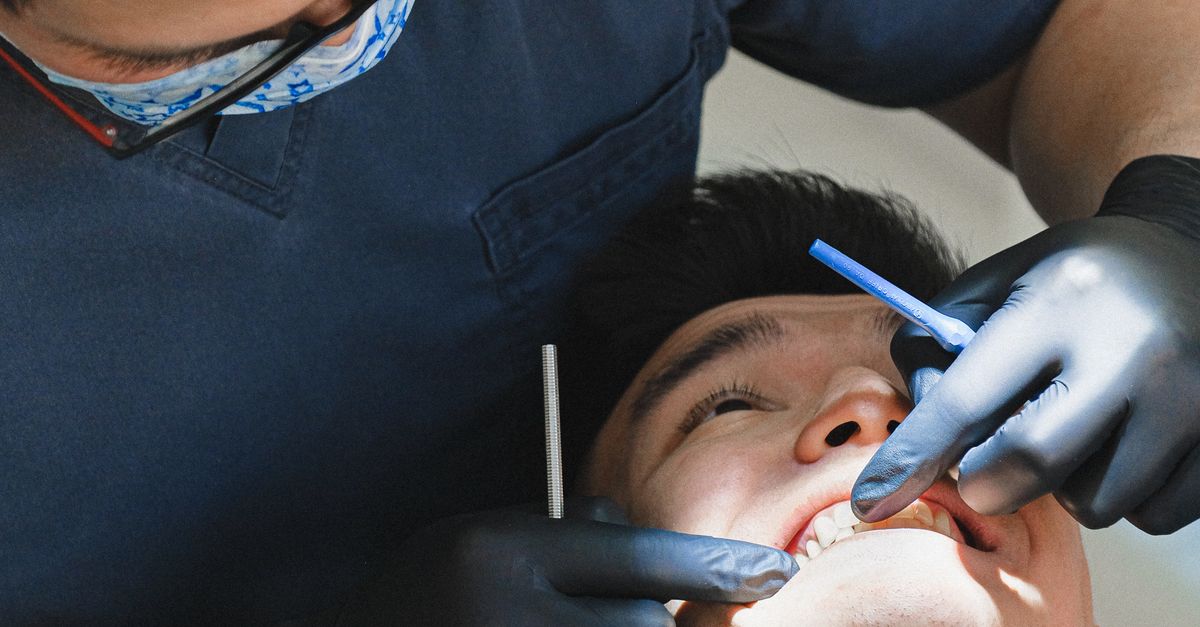
Understanding the Role of Accessibility in Dental Care for Families
Table Of Contents
The Connection Between Accessibility and Preventive Care
Accessible dental care is crucial for fostering preventive practices within families. When dental services are easily reachable, families are more likely to engage in regular check-ups and preventative measures. This accessibility empowers them to monitor oral health conditions effectively and address potential issues before they escalate. Early intervention can significantly reduce the need for more invasive treatments in the future.
Furthermore, when dental care facilities are designed with accessibility in mind, they often cater to a diverse range of patients, including those with mobility issues or special needs. This inclusivity promotes a more proactive approach to oral health, encouraging families to establish routine visits as part of their overall healthcare regimen. By prioritising accessible options, dental practices can support families in maintaining their oral health, ultimately leading to improved health outcomes.
Emphasising Regular Check-ups for Families
Regular dental check-ups play a crucial role in maintaining oral health for all family members. These appointments allow for early detection and intervention of potential issues, which is particularly beneficial in preventing more serious complications down the line. By incorporating routine visits into family schedules, parents can model healthy habits for their children, fostering a positive attitude toward dental care from a young age.
Access to regular check-ups is essential, especially for families navigating complex health needs. When dental facilities prioritise accessibility, they contribute significantly to creating an environment where every family member feels welcomed and cared for. This supportive atmosphere not only eases anxiety associated with dental visits but also encourages families to seek necessary preventive care, ultimately leading to better health outcomes across the board.
Training Dental Professionals for Inclusive Practice
The preparation of dental professionals plays an essential role in fostering inclusive practices. Comprehensive training programs must cover a wide range of topics, including effective communication techniques, understanding disabilities, and recognising the specific needs of diverse populations. This equips practitioners with the knowledge necessary to provide appropriate care for all patients, including those from culturally and linguistically diverse backgrounds. Simulation and hands-on training can further enhance sensitivity and adaptability in real-world scenarios, ensuring practitioners engage with patients in respectful and informed ways.
Incorporating accessibility training into dental curricula improves not only technical skills but also fosters a culture of empathy and understanding within the dental community. Professionals trained in inclusive practices are better positioned to create welcoming environments and build trust with families seeking dental care. Collaboration with organisations advocating for individuals with disabilities can enrich these training programs, allowing for real-time feedback and practical insights. As the landscape of dental care continues to evolve, these strategies are vital for ensuring that no patient feels overlooked or underrepresented.
Importance of Cultural Competence and Sensitivity
Cultural competence and sensitivity in dental practice enable professionals to connect more effectively with diverse patient groups. Understanding different cultural backgrounds allows practitioners to recognise specific health beliefs and practices, which can significantly impact a family's approach to oral health. This awareness encourages a more personalized care approach, fostering trust between dental professionals and patients. When dental teams are equipped to communicate in ways that resonate with various cultural perspectives, barriers to care can be reduced.
Moreover, sensitivity to cultural nuances can enhance the overall experience for families, particularly those from underrepresented communities. When dental offices provide an environment that values inclusivity, patients feel more comfortable discussing their needs and concerns. This openness can lead to increased compliance with treatment recommendations and a greater likelihood of seeking preventive care. Training programs that emphasise these skills help create a more equitable healthcare landscape, ensuring that every family, regardless of background, receives the quality dental care they deserve.
Legislation Affecting Dental Accessibility
Various laws and regulations shape the landscape of dental accessibility in Australia, ensuring that families have equitable access to necessary dental services. The Disability Discrimination Act 1992 plays a significant role, prohibiting discrimination against individuals with disabilities in various sectors, including healthcare. This legislative framework mandates that dental facilities are equipped to accommodate patients with different needs, promoting an inclusive environment where everyone can receive appropriate care.
In addition to disability legislation, specific policies have been introduced to support families with special requirements. The National Disability Insurance Scheme (NDIS) enables access to healthcare services tailored to individual needs. This financial support allows families to seek dental care without the added stress of prohibitive costs, thus fostering a proactive approach to oral health. Ensuring that dentists are not only aware of these regulations but also trained to effectively implement them is crucial for creating a more accessible dental care system.
Key Policies Supporting Families with Special Needs
Policies designed to support families with special needs play a crucial role in ensuring equitable access to dental care. The Australian Government has implemented initiatives that provide funding and resources aimed at addressing the unique barriers faced by these families. These policies often include subsidised dental services and specialised care programs tailored to meet the diverse needs of different population groups, thereby improving overall accessibility within the dental healthcare system.
In addition to government initiatives, various non-profit organisations advocate for policies that focus on the rights of individuals with disabilities. These organisations work towards raising awareness and promoting best practices within dental care settings. By fostering collaboration between healthcare providers, community organisations, and families, the aim is to create a more inclusive environment where every individual can receive the necessary dental care, regardless of their circumstances.
FAQS
Why is accessibility important in dental care for families?
Accessibility is crucial in dental care as it ensures that all family members, including those with special needs or disabilities, can receive the preventive and restorative dental services they require. This leads to better oral health outcomes and helps prevent more serious dental issues.
How can regular check-ups benefit families?
Regular dental check-ups allow for early detection and intervention of potential dental issues, promoting overall oral health. They also provide an opportunity for families to receive guidance on proper dental hygiene practices and preventive measures to maintain healthy teeth and gums.
What training do dental professionals need to ensure inclusive practice?
Dental professionals should receive training in cultural competence and sensitivity, which equips them to understand and respect the diverse backgrounds and needs of their patients. This training helps them provide care that is both effective and inclusive for families from various cultural and social contexts.
What legislation supports dental accessibility for families with special needs?
There are several key policies and legislation designed to support dental accessibility for families with special needs, including the Disability Discrimination Act and various state-based initiatives. These laws aim to eliminate barriers to dental care and ensure that all individuals have equitable access to dental services.
How can families advocate for better dental accessibility?
Families can advocate for better dental accessibility by raising awareness about the importance of inclusive dental care, participating in community discussions, and engaging with local healthcare providers and policymakers. Sharing personal experiences and concerns can help highlight the need for improvements in dental services for all families.
Related Links
Community Resources for Locating Family Dentists in BroadmeadowsSelecting a Family Dentist with Accessible Transport Links
Assessing Parking Availability at Family Dental Practices
The Benefits of Choosing a Conveniently Located Family Dentist
How Distance Affects Dental Visit Frequency for Families
Navigating Access to Family Dentists in Your Area