Navigating Orthodontic Solutions for Children and Adults
Table Of Contents
The Process of Getting Braces
The journey towards getting braces typically begins with an initial consultation. During this visit, the orthodontist will evaluate the patient's dental condition, often using X-rays, photographs, and impressions to assess alignment and bite issues. Based on the findings, personalised treatment options will be discussed. This stage is crucial for understanding the length of treatment, the type of braces best suited for the individual, and any potential need for additional procedures, such as tooth extraction.
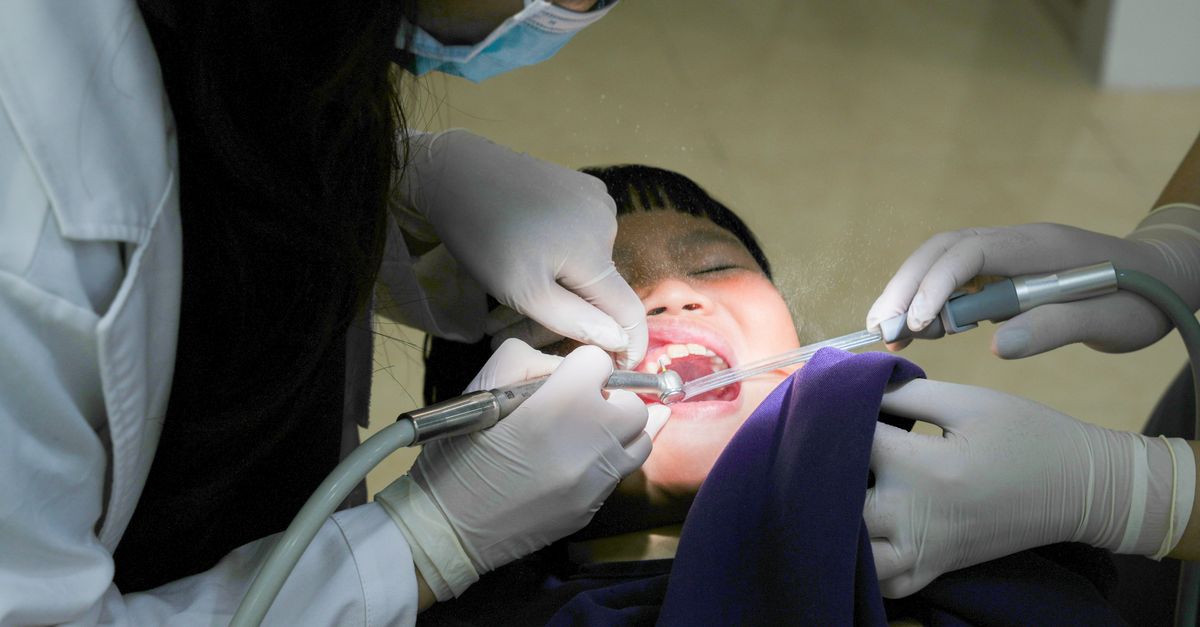
Once a decision is made, the next appointment involves the actual fitting of the braces. The orthodontist will carefully place the brackets on the teeth and connect them with wires, ensuring proper positioning for effective treatment. Patients may experience some discomfort during the initial days as their mouths adjust. Regular follow-up visits will be necessary for adjustments and monitoring progress, allowing the orthodontist to make any modifications to the treatment plan as required.
What to Expect During Your First Appointment
During your initial visit to the orthodontist, a comprehensive assessment of your dental health will take place. The orthodontist will examine your teeth, jaws, and facial structure to determine the most suitable treatment options. This appointment usually includes X-rays and photographs, providing a clearer picture of your orthodontic needs. These diagnostic tools help create a tailored plan for each patient.
You will have the opportunity to discuss your treatment goals and any specific concerns you may have. The orthodontist may outline different options, such as traditional metal braces or more discreet types like ceramic braces or aligners. Questions regarding the duration of treatment and what it entails are encouraged, ensuring you leave the appointment with a solid understanding of the process ahead.
Aftercare for Orthodontic Treatments
Following the completion of orthodontic treatments, maintaining the results is crucial. Retainers play an essential role in ensuring that teeth stay in their new positions. Patients should follow their orthodontist's recommendations for how often to wear these devices. Consistency is key, as failure to do so can lead to teeth shifting back to their original alignment.
In addition to wearing retainers, regular dental check-ups remain important. These appointments help monitor oral health and catch any issues early on. Good oral hygiene routines, including brushing and flossing carefully around any remaining appliances, contribute to the longevity of the treatment's success. Avoiding hard or sticky foods can also aid in preserving the integrity of the teeth and any orthodontic fixtures.
Maintaining Oral Hygiene with Braces
Proper oral hygiene is crucial for individuals with braces. Food particles can easily get trapped around brackets and wires, creating challenges for maintaining clean teeth. It is important to brush at least twice a day with a soft-bristled toothbrush and fluoride toothpaste. Special orthodontic brushes or interdental brushes can help access difficult areas. Flossing daily is also essential, as it removes plaque that regular brushing may miss.
Using mouthwash can be beneficial in enhancing overall oral hygiene. Antibacterial rinses can reduce plaque build-up and promote healthier gums. Saline rinses can help soothe any irritation caused by braces. Frequent dental check-ups during orthodontic treatment can assist in monitoring oral health and ensuring alignment is progressing well. Staying attentive to these practices will contribute significantly to achieving the desired results and maintaining a healthy smile.
Costs Associated with Orthodontic Care
The financial commitment involved in orthodontic care can vary significantly based on several factors. These factors include the complexity of the treatment, the type of braces chosen, and the duration of therapy. On average, traditional metal braces tend to be more affordable compared to alternatives like ceramic braces and clear aligners. Additionally, consultations and diagnostic imaging also contribute to the overall expense.
Understanding the available payment options is important for managing costs. Many orthodontists offer flexible payment plans that allow for gradual payments over the course of treatment. It is essential to check if private health insurance covers orthodontic care, as this can alleviate some of the financial burden. Some families also explore government schemes that may provide financial assistance for orthodontic treatment, further broadening accessibility to necessary care.
Understanding Insurance and Payment Plans
Navigating the financial aspects of orthodontic care can seem complex, but understanding the options available makes the process smoother. Most dental plans offer some coverage for orthodontic treatments, though the extent of this coverage varies widely from one provider to another. Patients should review their policy documents to identify any waiting periods, annual maximums, and specific limitations regarding orthodontic procedures. Contacting the insurer directly can also clarify what costs are covered and any necessary steps for authorisation.
In addition to insurance, many practices provide flexible payment plans to help manage out-of-pocket expenses. These plans often allow patients to spread the cost of treatment over time, making it more affordable. Some orthodontists may offer interest-free financing options, ensuring that budget constraints do not hinder access to necessary care. It is advisable to inquire about these arrangements before commencing treatment to secure the best financial outcome.
FAQS
What age is appropriate for a child to see an orthodontist?
It's generally recommended that children have their first orthodontic evaluation by age 7. This allows the orthodontist to assess the development of the teeth and jaws and determine if early intervention is necessary.
How long does the process of getting braces take?
The process of getting braces typically involves a consultation, treatment planning, and the placement of braces, which can take about 1 to 2 hours. However, the entire orthodontic treatment duration can last from several months to a few years, depending on individual needs.
Can adults benefit from orthodontic treatments?
Yes, adults can benefit significantly from orthodontic treatments. Many orthodontic options are available for adults, including clear aligners and ceramic braces, making it easier to achieve a straighter smile at any age.
How can I ensure my child maintains good oral hygiene with braces?
Encourage your child to brush their teeth at least twice a day and floss daily. Using a soft-bristled toothbrush, interdental brushes, or floss threaders can help clean around the brackets and wires more effectively.
What are some common payment options for orthodontic care?
Many orthodontic practices offer flexible payment plans, and some accept insurance that covers part of the treatment costs. It's best to consult with your orthodontist's office to explore the available options that suit your financial situation.
Related Links
Insights on Sedation Dentistry for Family ComfortUnderstanding Cosmetic Options for Family Dental Care
Understanding Pediatric Treatment Plans for Young Patients
How to Choose Between In-House and Referral Treatments
Deep Dive into Treatment Plans for Complex Dental Issues
Evaluating Options for Restorative Dental Work
Comparing Traditional and Modern Dentistry Approaches
The Role of Preventive Treatments in Family Dentistry
Exploring Essential Dental Treatments for Families