Essential Oral Hygiene Practices for Families
Table Of Contents
Regular Dental Check-Ups
Dental check-ups play a crucial role in maintaining oral health for all family members. During these visits, dentists can identify potential issues before they escalate into more significant problems. Regular assessments allow for professional cleaning, which removes plaque and tartar buildup. This preventative approach not only contributes to healthier teeth and gums but also helps establish trust and comfort with dental professionals, especially for children.
Families should aim for routine appointments every six to twelve months, depending on individual needs. Early intervention can save time and reduce stress down the line. For children, these visits often serve as an opportunity to learn about the importance of oral hygiene. By incorporating dental check-ups into family routines, parents can set a positive example while ensuring everyone’s smiles remain bright and healthy.
What to Expect During an Appointment
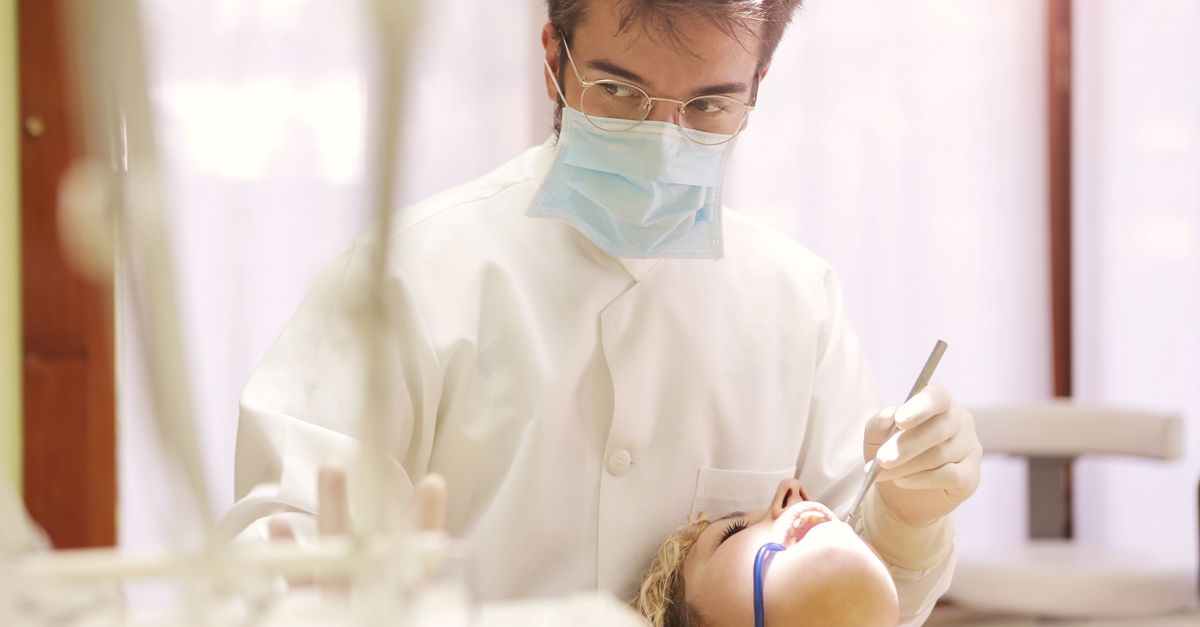
During a dental appointment, patients can expect a thorough examination of their teeth and gums. The dentist will start by reviewing the patient's dental history and any concerns they may have. A visual inspection follows, often accompanied by digital images or X-rays to provide a clearer view of the overall dental health. This detailed assessment helps identify any issues that may require attention.
Depending on the findings, the dentist may recommend a professional clean to remove plaque and tartar buildup. This procedure is typically performed by a dental hygienist, who will also provide personalised advice on maintaining oral hygiene at home. Patients should feel comfortable asking questions throughout the appointment, ensuring they understand any necessary treatments or preventive measures discussed.
Teaching Kids About Oral Care
Introducing children to the importance of oral care at an early age can shape their lifelong habits. Engaging kids in discussions about why brushing and flossing matter promotes a sense of responsibility. Interactive tools like colourful toothbrushes and fun flossing aids can make the process enjoyable. Incorporating stories or characters that emphasise good dental habits can also help in capturing their interest.
Visual aids can be particularly effective when teaching children about oral hygiene. Using charts to track their brushing habits or creating a reward system for consistent dental care fosters motivation. Singing songs or playing games related to tooth care can turn routine tasks into enjoyable activities. Emphasising the connection between oral health and overall well-being can instil a deeper understanding and encourage them to take pride in their dental routines.
Fun Ways to Encourage Good Habits
Creating a positive atmosphere around oral hygiene can make all the difference for children. Incorporating interactive games or challenges can turn brushing and flossing into an enjoyable experience. For instance, parents might set a timer and encourage their kids to brush along to their favourite song. This makes the routine entertaining while helping children develop a sense of responsibility for their dental health.
Another effective strategy involves rewarding good habits with a sticker chart. Children can earn stickers for each successful brushing or flossing session, building excitement around maintaining their oral care. After a certain number of stickers, they could receive a small prize or a fun outing. This not only reinforces positive behaviour but also fosters a sense of achievement as they track their progress visually.
Dealing with Dental Emergencies
Dental emergencies can occur unexpectedly and require prompt attention. Common issues include knocked-out teeth, severe toothaches, and broken crowns. In the case of a knocked-out tooth, it is crucial to handle the tooth by the crown, avoid touching the root, and rinse it gently if dirty. Try to place the tooth back into its socket if possible. If re-implantation is not feasible, keeping the tooth in a small container with milk or saliva can preserve it until you reach the dentist.
Severe toothaches may signal underlying problems, such as an infection or a cavity. Rinse the mouth with warm salt water to alleviate discomfort and reduce swelling. Over-the-counter pain relief can be helpful, but if the pain persists, contacting a dentist promptly is essential for appropriate care. For broken crowns or fillings, avoid chewing on that side of the mouth and try to keep the area clean until you can visit the dentist. Knowing how to respond quickly can make a significant difference in outcomes during these situations.
Common Issues and First Aid Tips
Dental emergencies can happen unexpectedly, and knowing how to handle them is essential for maintaining oral health. A knocked-out tooth requires immediate attention. If a permanent tooth gets displaced, ensure you handle it by the crown, rinsing it gently to remove any debris. This should be followed by placing it back into the socket if possible. If re-implantation is not an option, place the tooth in a small container of milk or saline to keep it moist until you reach a dental professional.
Other common issues include severe toothaches and broken crowns. With a toothache, rinsing the mouth with warm salt water can alleviate discomfort. Over-the-counter pain relief can also be effective, though it’s crucial to avoid placing aspirin directly on the gums. For a broken crown, temporary dental cement can help secure it until a dentist can provide a more lasting solution. Always seek professional advice after addressing an emergency to prevent further complications.
FAQS
How often should my family visit the dentist for check-ups?
It is generally recommended that families visit the dentist at least once every six months for regular check-ups, though some individuals may need to visit more frequently based on their dental health needs.
What should I expect during a dental appointment for my child?
During a dental appointment for your child, you can expect a thorough examination of their teeth, gums, and mouth. The dentist may also take X-rays, provide a professional cleaning, and discuss any concerns regarding your child's oral health.
How can I make oral care fun for my kids?
You can make oral care fun for your kids by incorporating games, using colourful toothbrushes, playing music while brushing, or rewarding them with stickers for consistent brushing and flossing.
What should I do if my child has a dental emergency?
If your child has a dental emergency, such as a knocked-out tooth or severe toothache, remain calm and assess the situation. For a knocked-out tooth, try to place it back in the socket or keep it in milk until you can see a dentist. For other issues, contact your dentist for immediate advice.
Are there any specific products I should use for my family's oral hygiene?
Yes, look for fluoride toothpaste and soft-bristled toothbrushes for your family. Additionally, consider using dental floss or interdental brushes to help maintain optimal oral hygiene, especially for children who may have difficulty cleaning between their teeth.
Related Links
Fluoride Treatments: Benefits for Children and AdultsFun Ways to Teach Kids About Oral Care
Achieving Healthy Gums: Preventive Strategies
Importance of Dental Sealants for Long-term Health
The Connection Between Oral Health and Overall Well-being
Children's Dental Hygiene: Tips for Parents