Enhancing Smiles with Professional Teeth Whitening Solutions
Table Of Contents
Preparing for Your Whitening Session
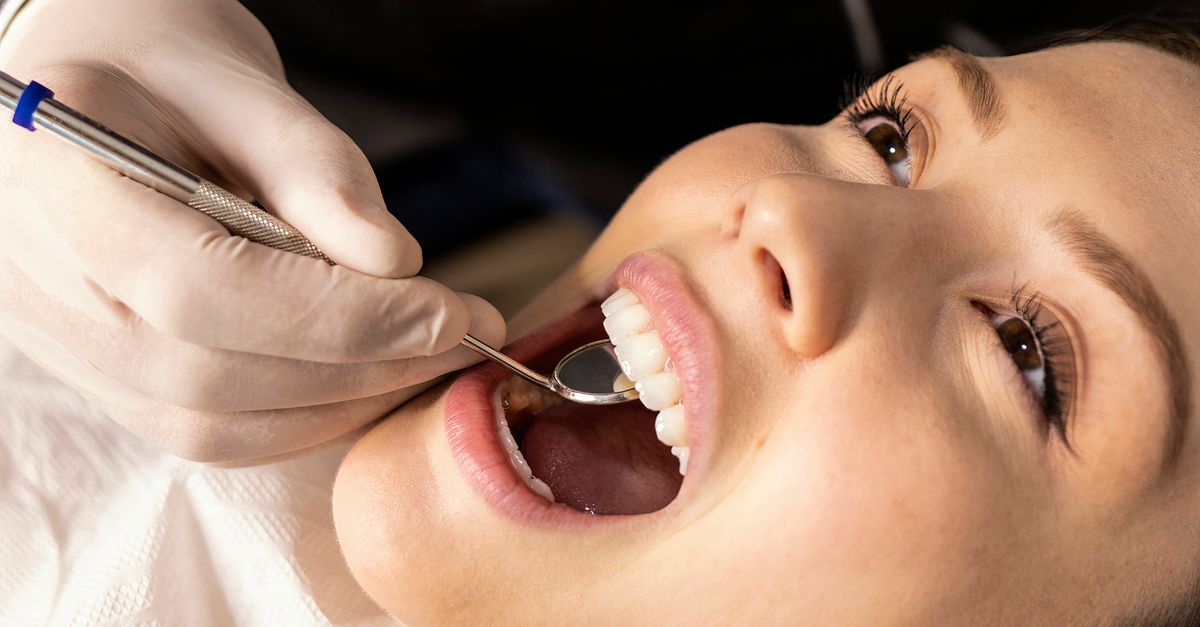
Understanding your dental health is crucial before undergoing any whitening treatment. A visit to the dentist will allow for a thorough examination of your teeth and gums. This step helps identify any underlying issues that could complicate the whitening process. Discussing your goals with a professional ensures the chosen method aligns well with your expectations and dental condition.
An important factor to consider is the type of whitening treatment you plan to use. Different methods, such as in-office whitening or at-home kits, have varying preparations and timelines. If opting for an at-home solution, it’s vital to follow the manufacturer’s instructions closely. Avoiding food or drinks that can stain teeth prior to your session can also enhance the effectiveness of the treatment.
Tips for Optimal Results
Before undergoing a teeth whitening procedure, it is important to schedule a consultation with your dental professional. They can assess the current state of your teeth and gums, ensuring there are no underlying issues that could affect the whitening process. This evaluation will also allow the dentist to recommend the most suitable whitening method, whether in-office or take-home kits. Following any pre-treatment guidelines provided will enhance the overall effectiveness of the procedure.
During the whitening process, it is crucial to adhere to the recommended time for exposure of the whitening agent. Overusing the product may lead to uneven results or increased sensitivity. Additionally, avoid consumables that can stain your teeth, such as coffee, red wine, or dark sauces immediately after treatment. Staying hydrated and using a straw for beverages can help minimise contact with your enamel, maintaining your brightened smile for longer.
Managing Sensitivity During Whitening
Many individuals experience tooth sensitivity during the whitening process. This reaction can occur due to the active ingredients in whitening agents, which may temporarily irritate the nerves in the teeth. Being aware of this sensitivity beforehand can help in managing expectations. It is advisable to consult with a dental professional before starting any whitening treatment, as they can recommend tailored solutions based on individual circumstances.
To mitigate discomfort, consider using desensitising toothpaste in the weeks leading up to your whitening session. These products contain compounds that help block pain signals from the nerves. Following the whitening treatment, applying a fluoride rinse may also provide relief. Additionally, natural remedies such as rinsing with warm salt water can soothe any immediate irritation.
Products to Alleviate Discomfort
Teeth whitening can sometimes lead to sensitivity or discomfort, particularly for those with pre-existing dental conditions. Several products are designed to ease this sensitivity and ensure a more comfortable experience. Desensitising toothpaste is one option, formulated with ingredients that block nerve signals in the teeth. This can be used in the days leading up to the whitening session as a preventive measure. Another effective choice is a fluoride gel, which helps to strengthen enamel and reduce sensitivity post-treatment.
Oral rinses specifically tailored for sensitive teeth can also provide relief. These rinses often contain soothing agents that work quickly to alleviate discomfort. Additionally, you might consider using a custom-fitted dental tray with a mild desensitising gel, which can offer targeted relief during the whitening process. Applying these products according to the recommendations can help minimise the side effects associated with teeth whitening procedures.
Post-Whitening Care
After your teeth whitening session, maintaining your new smile is essential. Opt for a soft-bristle toothbrush and non-abrasive toothpaste to avoid any unnecessary wear on your newly whitened enamel. It’s advisable to wait at least 24 to 48 hours before consuming dark-coloured beverages such as coffee, tea, and red wine. These can easily stain your teeth right after whitening, as the enamel may be more porous and susceptible to discoloration.
Regular dental check-ups play a crucial role in prolonging the brightness of your smile. Your dentist can provide professional cleanings that help maintain the aesthetics of your teeth. Additionally, incorporate a whitening toothpaste into your routine to gently polish surfaces without causing damage. Staying hydrated and rinsing your mouth with water after consuming staining foods helps to protect your bright smile.
Maintaining Your Bright Smile
After undergoing a professional teeth whitening treatment, it is essential to adopt a few practices to keep your smile radiant. Regular dental hygiene plays a crucial role in maintaining brightness. Brush your teeth at least twice daily using a fluoride toothpaste and incorporate flossing into your routine to remove plaque buildup. This helps prevent discolouration and keeps your enamel healthy.
Diet can also significantly impact the longevity of your bright smile. Limiting the consumption of foods and beverages known to stain teeth, such as coffee, red wine, and dark berries, is advisable. When indulging in these treats, rinsing your mouth with water afterward can help mitigate their staining effects. Regular dental check-ups will not only ensure your teeth remain clean but will also allow your dentist to provide tailored advice for maintaining that dazzling finish.
FAQS
What are the benefits of professional teeth whitening compared to at-home kits?
Professional teeth whitening treatments are typically more effective and provide faster results than at-home kits. They are administered by dental professionals who can tailor the treatment to your specific needs, ensuring safety and optimal results.
How long does a teeth whitening session usually take?
A typical professional teeth whitening session can take anywhere from 30 minutes to an hour, depending on the method used and the level of whitening desired.
Is teeth whitening safe for everyone?
While teeth whitening is safe for most people, it may not be suitable for those with certain dental conditions or sensitivities. It is best to consult with your dentist to determine if you are a good candidate for the procedure.
How long will the results of teeth whitening last?
The longevity of teeth whitening results can vary based on individual habits, such as diet and oral hygiene. Generally, results can last from six months to two years, with proper care and maintenance.
What should I avoid after whitening my teeth?
After a teeth whitening session, it's advisable to avoid foods and drinks that can stain your teeth, such as coffee, red wine, and dark-coloured foods, for at least 24-48 hours. It's also important to maintain good oral hygiene to prolong the results.
Related Links
Transforming Your Smile with Customised Dental ImplantsCreating Beautiful Smiles with Innovative Aesthetic Fillers
Addressing Common Cosmetic Concerns with Porcelain Crowns
The Importance of Consultation in Cosmetic Dental Treatments
Understanding the Impact of Orthodontics on Aesthetic Dentistry
The Role of Smile Design in Modern Cosmetic Dentistry
Achieving a Balanced Smile with Gum Contouring Procedures
Exploring the Latest Trends in Cosmetic Bonding Techniques